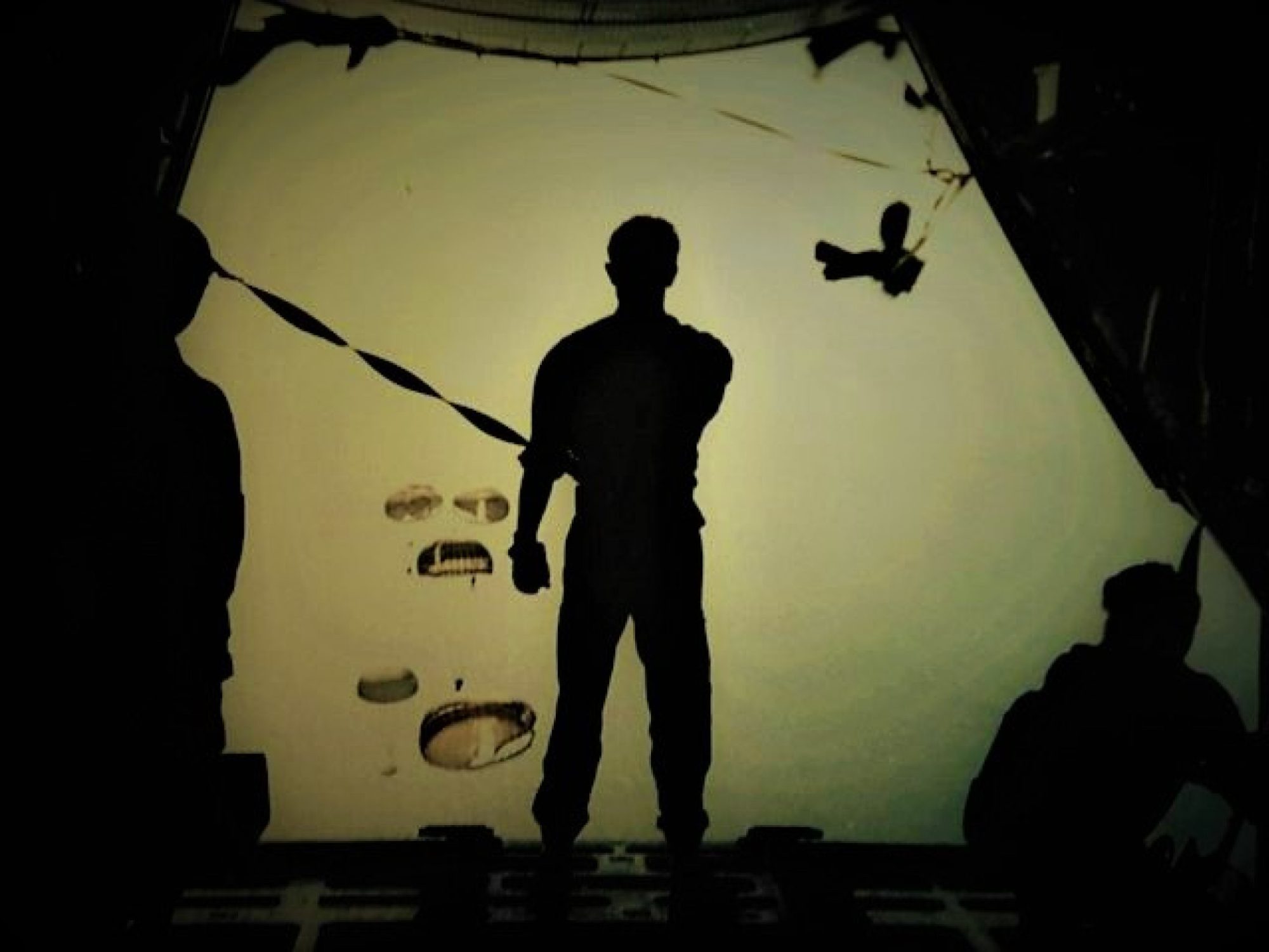
HOW I WATCHED THE PLANET CHANGE IN ONLY 20 YEARS.
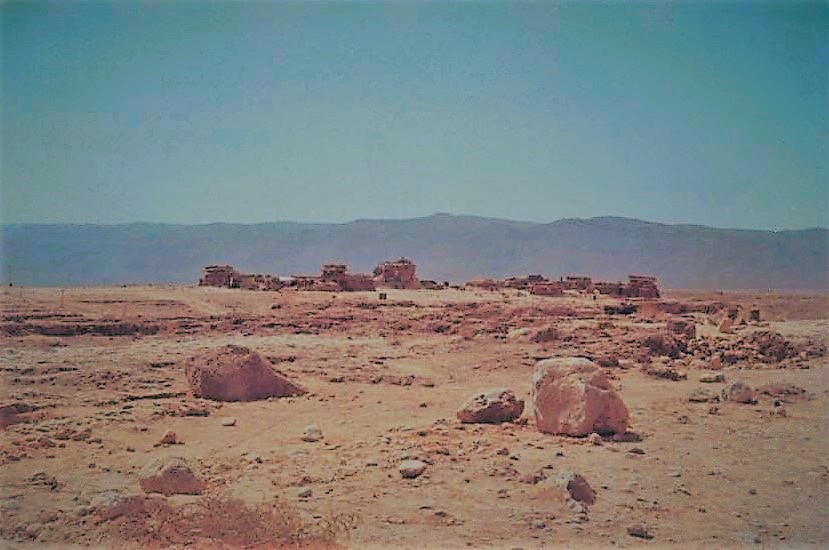
An early 1970s defensive position protecting the Salalah airfield during the Dhofar War in Oman.
On a daily basis, people are talking about climate change, but sadly there is little serious action for humans to address their part in slowing it.
As a boy from Dundee with little to no formal education, I found myself in the middle of a war in the Middle East’s Gulf Region at the tender age of just 17.
Unknown to me at the time, that all that I was taking in of the environment around me, would set me on the path of understanding just how much our wee rock that we all live and thrive on can change in such a very short time.
The picture above shows our defensive position pointing it’s military assets towards the mountains where the threat was coming from. In the foreground is a dry river bed known colloquially as a wadi. Once a year in the rainy season, the mountains turn green and the dry wadi bed runs with water. I first went there in 1972, then in 74, then in 76. I was back in the 80s and in the early 90s. In 20 years the wadi went from running water once a year to no water…ever. The local people and animals now relying on water from larger cut river beds that had a greater chance of retaining water due to a heavier flow from the mountains to the sea.
There were times in recent years where the natural lack of water in the region was replaced by lashings of water from an almost unique weather pattern that would completely flood an area in minutes. Welcome to climate change.
Given the title of the post, it’s probably no surprise to anyone that this would take place on a desert coastal plain in the Middle East. However the timeframe of 20 years most certainly surprises me.
Yet not as surprising as what I’m about to explain now.
Lets travel to another theatre…the jungle, the tropical rain forest of Borneo.

My great friend and Iban Dyak, Louio would teach me from the 70s to the 90s about his natural environment.
I first went into the jungle the same year that I went to my first war in Dhofar. A trip later in the year of 72 to Malaya with my original unit 2 Sqn RAF Regiment. I was taught the basics, but never really got to see and meet the indigenous people of the interior.
However, that happened when I joined the special forces…these people were the heart and soul of teaching SAS students all about life in the jungle. But in the mid 1970s, even these amazing tribal individuals were stumped by the changes in the weather pattern and the changes that would bring to the rivers in the forest.
Louio and his father before him could tell you without a watch just when it would rain and when it would stop, each and every day.
Then from the early 1980s things began to change. There were less fish in the water of the upper to middle reaches of the fast flowing streams and rivers. The beautiful clarity of the water was beginning to cloud. Although there was clarity, the water always looked like tea, as just like the jungle floor, the rivers also would contain leaves and branches that had fallen from the thick canopy, and into the water…eventually sinking to the bottom.
But this now was something completely different. In parts, we could no longer see the leaves or anything else on the bottom of the river…it was cloudy and later becoming silty.
I remember in my early days both day and night hearing jungle noises of the wild life. Bugs, birds, monkeys, wild boar and the loud thumping of a giant hardwood tree that had outgrown it’s roots system in the soil where it stood…it was like a mini earthquake when these trees came crashing down taking others with it and shaking the ground.
There was nothing like it, all natural sounds of the jungle. To respect the jungle and all that lived in it, we would whisper only, yes for tactical reasons and to tune ourselves into the environment when training. But also as a mark of respect to the jungle.
Then one evening, I remember waking in my hammock and hearing the low revving and gear changes of a very large vehicle quite a way away from our location. But disappointing to know that the sound was coming from the direction of further into the interior than we were already positioned for our training camp. There has never been roads here, we were always inserted by helicopter, and would rely on the helicopter for weekly supplies.
It was at this stage that Louio the Iban tracker and hunter could no longer call when it would rain! Sometimes it wouldn’t rain for a few days, which really confused him. To the point where small streams and rivers were becoming like their river cousins of the Middle East…”rivers of sand and stone.”
This is unknown here said Louio! Where’s the fish, where’s the water? The main middle reaches river is much lower than normal for the time of year…and it’s cloudy brown.
Well, we were all learning very quickly…the engine noise was a logging bulldozer…pushing it’s way through the jungle interior to make a track for trucks to follow. They weren’t choosing mature hardwood trees and leaving the rest to thrive. They were bulldozing everything in it’s wake, and when it did rain, the soil was being washed downstream into the rivers…killing all in it’s path. Water plants, fish, snails, insects…everything.
In the mid 90s just before I left the military towards the end of my career, I took a helicopter recce to study the ground versus the mapping that we had. I was both astonished and sickened to see just how much jungle canopy had gone. Replaced by vast empty spaces of sandy soil having lost it’s natural nutrients, and farm land for large strips of profitable palm oil and other agriculture.
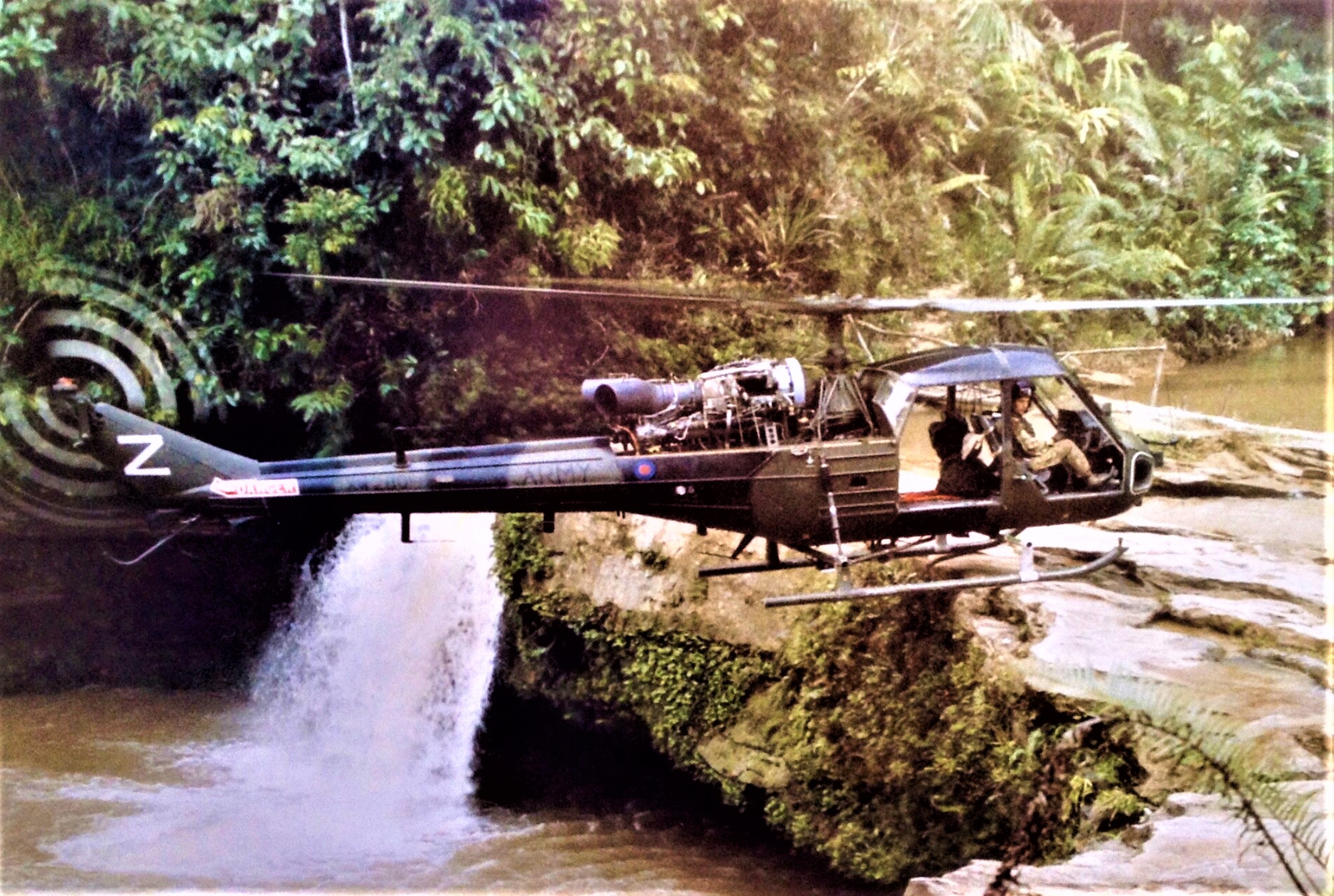
The one engined “paraffin budgie,” the absolute workhorse of the time…the Scout helicopter, touching down on the middle reaches of a jungle river in Borneo.
Most of this was just over the border…where I would hear the sounds of heavy vehicle’ engines.
In 20 years, it was enough to change the local environment forever.
All that lived under the jungle canopy was now changed. So many species now to be threatened. And at that time there were still families of Orangutan for example living quite happily…”unthreatened!”
With technology changing over the years, I’ve been able to Google Earth many of my old haunts…only to see great primary forest replaced by roads, tracks and farmland.
Even gutted to hear of “patches of jungle” referred to as State Parks in order to preserve what little is left.
Rivers of stone and sand…twenty years, that’s all it took to witness a difference, and in different continents too.
 Bob Shepherd
Hello Bob, I spent most of my working life in some/many of the unlikelier places on the planet.We humans have pretty much destroyed it. Very sad and all for the profit of a few.The saddest part is we are close to the tipping point and not doing anything to stop it.All bestRod